Maintaining a healthy lawn is essential for many businesses. A well-kept lawn creates a welcoming environment for employees, clients, and visitors, while also enhancing the overall appearance of the property. However, traditional lawn care practices, frequent chemical fertilizers, excessive watering, and gas-powered equipment can have negative impacts on the environment. Today, businesses are increasingly turning to eco-friendly lawn care solutions that are both sustainable and cost-effective.
Why Sustainable Lawn Care Matters
Minnesota’s unique climate, with hot summers and cold winters, makes lawn maintenance challenging. Businesses must balance aesthetic appeal with environmental responsibility. Sustainable lawn care practices reduce the use of harmful chemicals, conserve water, and minimize carbon emissions. Beyond environmental benefits, these practices can also improve soil health, reduce maintenance costs, and contribute to a positive public image for the business. Customers and employees alike appreciate companies that demonstrate environmental stewardship.
1. Reduce Chemical Usage
One of the most significant steps toward eco-friendly lawn care is minimizing chemical fertilizers and pesticides. Synthetic chemicals can seep into groundwater, harm local wildlife, and disrupt the natural ecosystem. Instead, businesses can adopt organic fertilizers derived from compost, plant-based nutrients, or slow-release natural compounds. These options provide essential nutrients for grass while being safer for the environment.
Integrated Pest Management (IPM) is another strategy that reduces chemical dependency. IPM focuses on preventing pest problems through natural solutions, such as encouraging beneficial insects, planting pest-resistant grass varieties, and monitoring soil health. By implementing these methods, businesses can maintain healthy lawns without harming the surrounding ecosystem.
2. Implement Smart Watering Practices
Water conservation is crucial for sustainable lawn care. Overwatering not only wastes resources but also weakens grass roots and promotes disease. Businesses can install smart irrigation systems that adjust watering schedules based on weather conditions and soil moisture. Drip irrigation, rain sensors, and timers are all effective tools to ensure water is used efficiently.
Additionally, watering early in the morning or late in the evening reduces evaporation, allowing more water to reach the roots. Using native or drought-tolerant grass species can also minimize water requirements. By adopting these practices, businesses reduce their water footprint while promoting a resilient lawn.
3. Choose Eco-Friendly Equipment
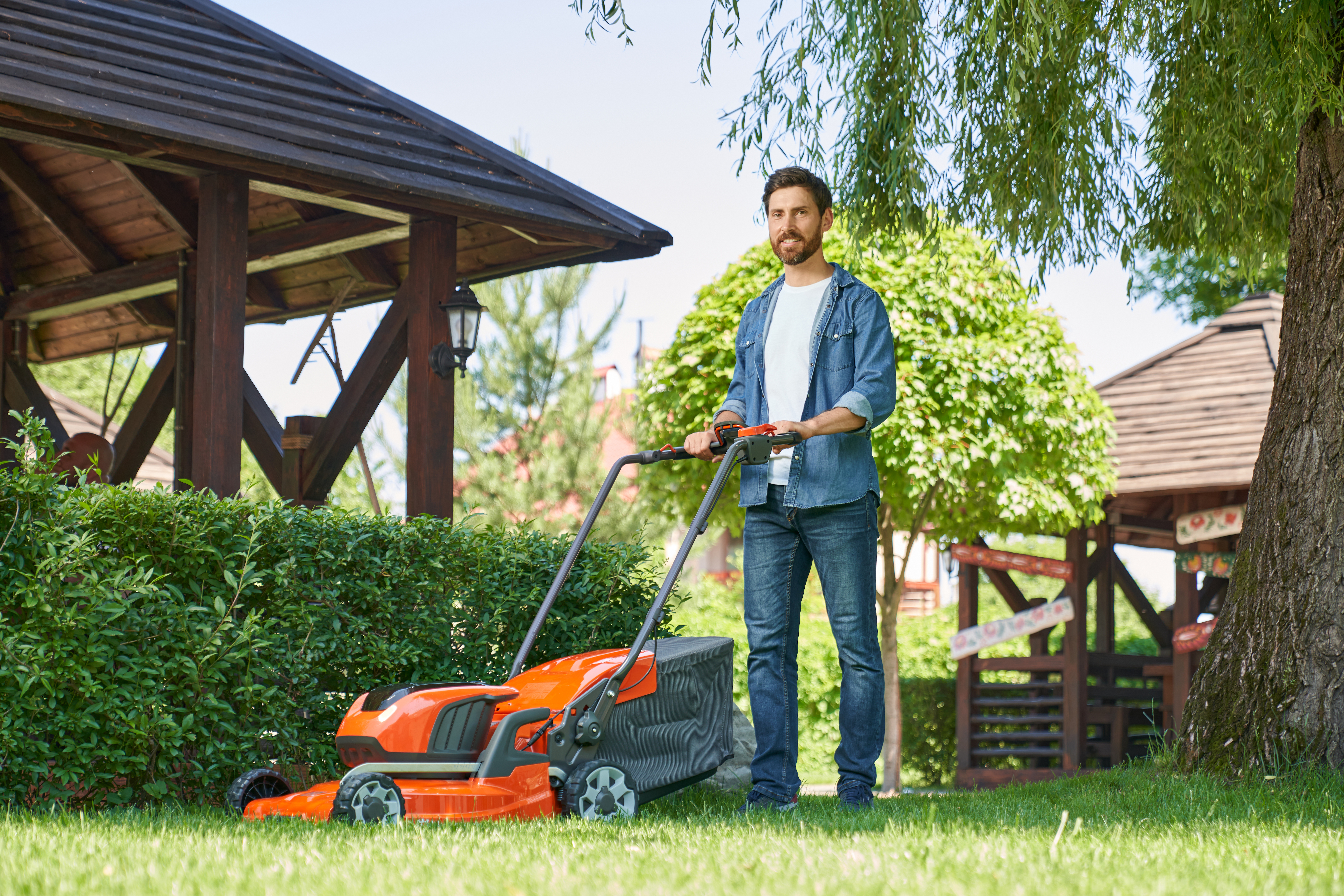
Traditional lawn care equipment often relies on gasoline-powered mowers, trimmers, and blowers, which contribute to air pollution and greenhouse gas emissions. Electric or battery-powered alternatives offer a quieter, cleaner, and more sustainable option. Businesses can also consider push mowers for smaller areas, which eliminate emissions entirely while promoting physical activity for maintenance staff.
Routine maintenance of lawn equipment is equally important. Well-maintained machines operate efficiently, consume less energy, and produce fewer emissions. By combining cleaner equipment with regular upkeep, businesses can significantly reduce the environmental impact of their lawn care activities.
4. Promote Soil Health and Biodiversity
Healthy soil is the foundation of a thriving lawn. Aerating the soil, applying organic matter, and avoiding compaction help grass roots grow stronger and retain nutrients naturally. Overseeding with native grasses or groundcovers can enhance biodiversity, reduce bare patches, and provide habitats for pollinators.
Planting native flowers, shrubs, and trees around the property not only improves aesthetic appeal but also supports local ecosystems. These plants require less water, resist pests naturally, and attract beneficial insects. Businesses that invest in soil health and biodiversity contribute to a more sustainable landscape and a healthier environment.
5. Engage Employees and the Community
Sustainable lawn care practices can also foster employee engagement and community awareness. Hosting volunteer planting days, providing eco-friendly lawn care training, or sharing green landscaping tips with neighboring businesses helps build a culture of environmental responsibility. Employees feel more connected to their workplace, and the company strengthens its reputation as a community leader in sustainability.
In addition to these practices, incorporating native plants into landscaping can significantly enhance biodiversity and reduce maintenance needs. Native plants are typically better adapted to the local climate and soil, requiring less water and fewer chemical inputs.
Conclusion
Eco-friendly lawn care is no longer just an option but a strategic approach for businesses committed to environmental responsibility. By reducing chemical usage, implementing smart watering systems, adopting sustainable equipment, and promoting soil health and biodiversity, businesses can maintain attractive and resilient lawns while minimizing their ecological footprint.
We at Minneapolis Commercial Lawn & Snow use environmentally friendly options to create a positive impact on the environment without compromising with our quality of services. So, for those looking for sustainable commercial lawn care services in Minnesota, you can consider us as your trusted partner.
-
Share With
-

-

-

-

-