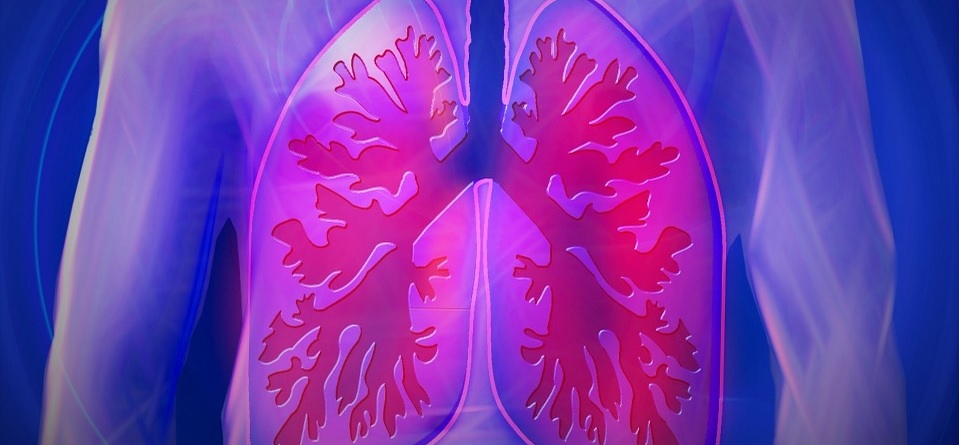
Mesothelioma is an aggressive type of cancer which can affect the membrane lining of the lungs and abdomen. According to the research, every year 2000 to 3000 people are diagnosed with this type of disease in the U.K. It can affect the linings of the lungs, abdominal (belly), heart and tunica Vaginalis. Asbestos exposure is the primary cause and risk factor of Mesothelioma. Asbestos is the microscopic fibers, that enters the body through inhaling and then deposited in the lungs. Through detecting certain symptoms of mesothelioma you can diagnose the disease in its early stage.
Symptoms: The symptoms can be different based on the type of cancer and, even as this disease progresses into a last stage. Early signs can help you to detect the disease and can help you to take proper prescription. There are many common and advance symptoms, which can be similar.
Common Symptoms: Common symptoms are the basic signs and they look like normal disease. Without ignoring these signs, consult your doctor immediately.
1. Dry cough
2. Shortness of breathing
3. Chest pain
4. Fever
5. Pleural effusions (fluid building up between the lungs and chest)
6. Anemia
7. Muscle weakness
8. Nausea and vomiting
Advanced Symptoms: Advance symptoms are because of mesothelioma disease have already spread into your particular part of the body and it also spread into the other parts of the body. In the advance symptoms your situation will be critical and you will notice the below mentioned changes.
1. Persistent pain in the chest: In the advance stage, you will notice the chest pain continuously. This is because the level of fluid increases surrounding the lungs and chest.
2. Weight loss: Weight will be automatically reduced without dieting and you feel weak.
3. Respiratory complications: The primary organ of the respiratory system are lungs, which is used to take oxygen and expel carbon dioxide. In the advance symptoms, cancer has spread into the lungs. It will create a critical problem.
4. Cough in the form of blood: Cough in the form of blood known as Hemoptysis. It usually happens while doing cough blood will come out of the respiratory system and your feeling tightness in the chest.
You need to consult the doctor, if you feel these symptoms in your body.
-
Share With
-

-

-

-

-