When people first hear the term 20-30 mmHg compression stockings, it may sound complicated. In compression stockings, mmHg (millimeters of mercury) is a pressure unit that indicates the level of compression. In simple words, it shows the level of firmness in compression stockings. The 20-30 mmHg is recommended for individuals managing swelling, varicose veins, or tired veins during daily activities. It is frequently used by doctors and nurses on their feet for long working hours, travelers who frequently take long flights, and athletes usually wear them during workouts and for recovery. In this article, we’ll explain how 20–30 mmHg compression works, why people choose it, and how it can help your legs feel better every day.
What Does 20 to 30 mmHg Even Mean
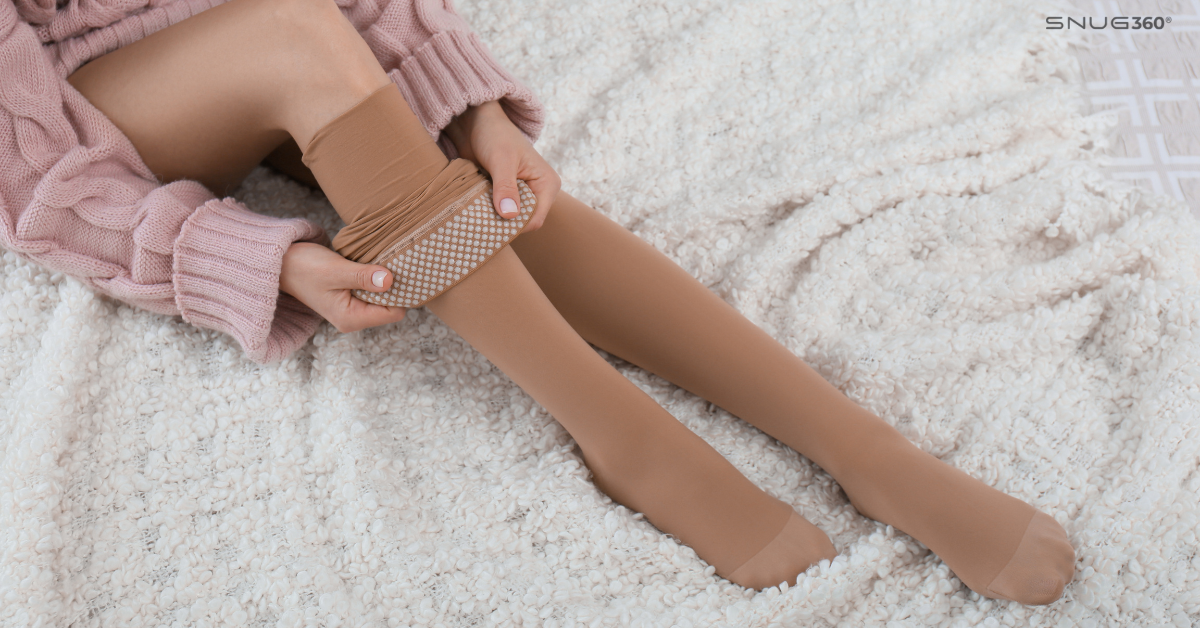
When a stocking is labeled 20 to 30 mmHg, it means the fabric exerts that amount of pressure on your leg. It is firm support. Not light, not extreme. If you have never used compression stockings before, you may be wondering why this pressure matters. This graduated pressure helps improve blood circulation by providing extra support for blood to return to the heart. This is especially helpful for individuals whose job requires standing and sitting for long periods. The targeted pressure of compression thigh-high stockings 20-30 helps push blood upwards, giving your veins additional support.
How Compression Helps Blood Flow
Your veins have tiny valves inside them. Their job is to push blood upward and prevent it from falling back. But when valves weaken or do not function properly, blood can pool in the lower legs, leading to swelling and heaviness. Compression stocking helps those valves work more efficiently. The graduated pressure from outside supports the movement inside, encourages blood to move upwards, and improves overall blood circulation.
Why This Firm Level Helps More Than Lighter Compression
Light compression, like 8 to 15 or 15 to 20 mmHg, can be helpful for mildly tired legs. But when swelling becomes more noticeable, or if someone has varicose veins, or when someone works long hours on their feet, light pressure might not be enough. The 20 to 30 mmHg level is strong enough to:
- Helps with Varicose Vein discomfort.
- Support Chronic Venous Insufficiency (CVI)
- Reduce moderate edema (leg swelling).
- Provide support for post-surgery recovery.
- Reduce the risk of blood clots and prevent Deep Vein Thrombosis (DVT).
- Helps manage fluid buildup in legs, such as Lymphedema.
- It supports tired veins by improving blood flow and easing heaviness in legs.
- Help with recovery after intense activity and support people who sit for long hours.
Who Benefits the Most From 20 to 30 mmHg Compression?
This level supports many groups of people with different lifestyles and support needs. It is one of the reasons it is widely used. You do not need to be an athlete or have a medical condition to use them. When swelling becomes persistent or the legs feel tired every day, this firmness can help provide noticeable relief. People who often benefit include:
- Nurses, teachers, servers, and anyone standing all day.
- Office workers who sit for long hours.
- Travelers taking long car rides or long flights.
- People with varicose veins or mild vein issues.
- People who exercise want faster recovery.
- Pregnant women are dealing with swelling.
- Older adults want more comfort and steady support.
Note: It is important to note that compression stockings with 20-30mmHg offer a medium level of compression and are considered medical grade. So, before using this compression level, it will be recommended to consult your doctor. Getting a prescription protects you from choosing a compression level that’s too tight or not supportive enough for your condition.
Why This Compression Level Is Popular in Sports and Recovery
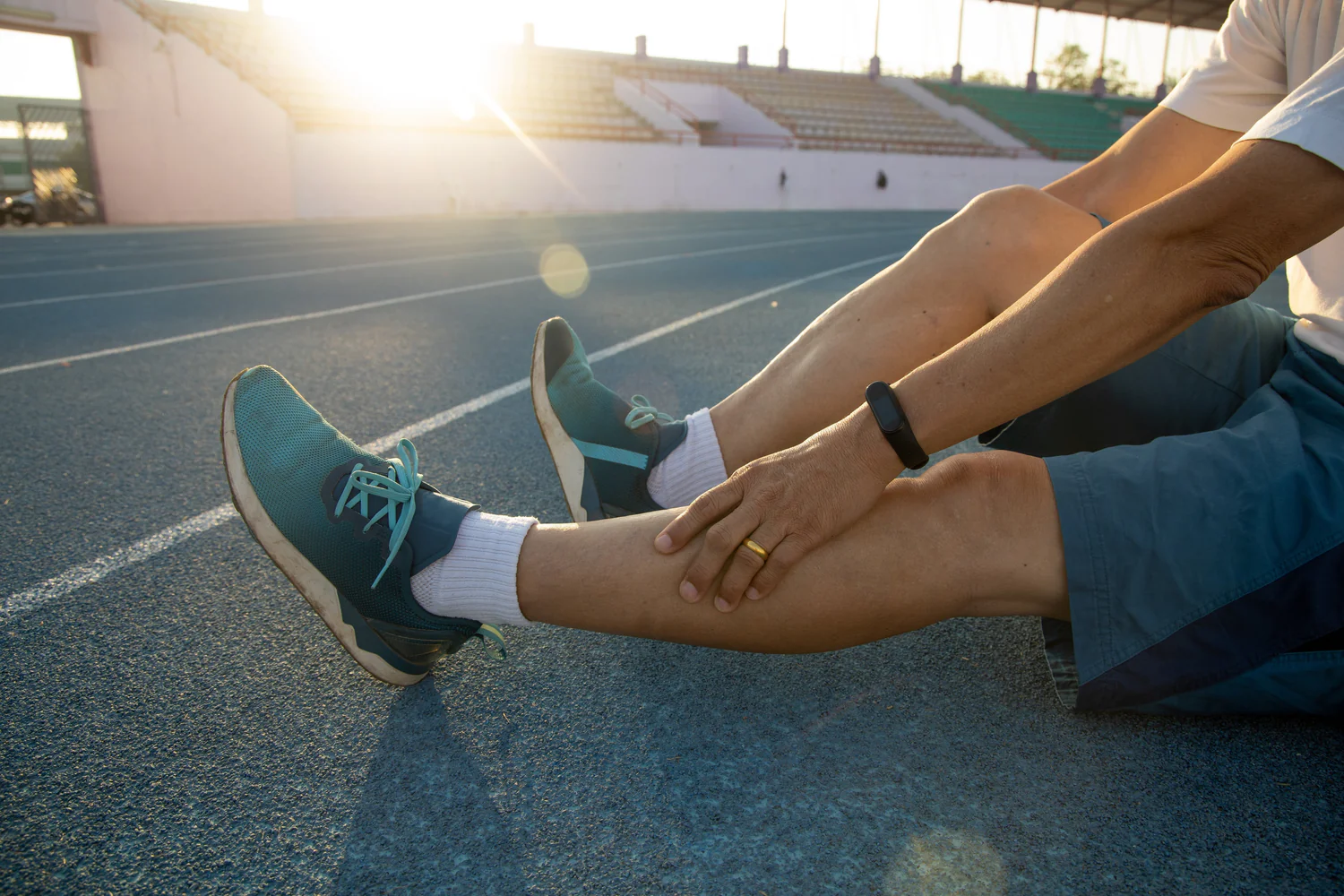
Athletes push their muscles hard. After workouts, blood flow slows, and waste products like lactic acid can build up in the muscles. This can make the legs feel sore. Compression can help reduce that soreness and speed up recovery. If you are a fitness enthusiast, you can wear them during a workout and during the recovery phase after the workout. The firm 20 to 30 mmHg pressure helps:
- Reduce post-workout swelling
- Improve recovery time
- Support tired calf muscles and thighs
- Make long runs or training feel easier
Strong Support That Helps You Move Better
Using 20-30mmHg compression stockings will give you the first support your legs need for improved blood flow, reduced swelling, and easing the soreness that many individuals experience after a long day or workout. Many people choose this level every day because it’s comfortable, practical, and makes moving around feel easier. You get the firm support your legs need to stay energized through long days, workouts, travel, or even hours of sitting at a desk. If you’re looking for a way to stay active, protect leg health, and feel relief that lasts, consider SNUG360 thigh high compression stockings (20–30 mmHg) today and experience the support and comfort your leg deserves.
-
Share With
-

-

-

-

-